
"Guatemala SL28"
200 article(s) found
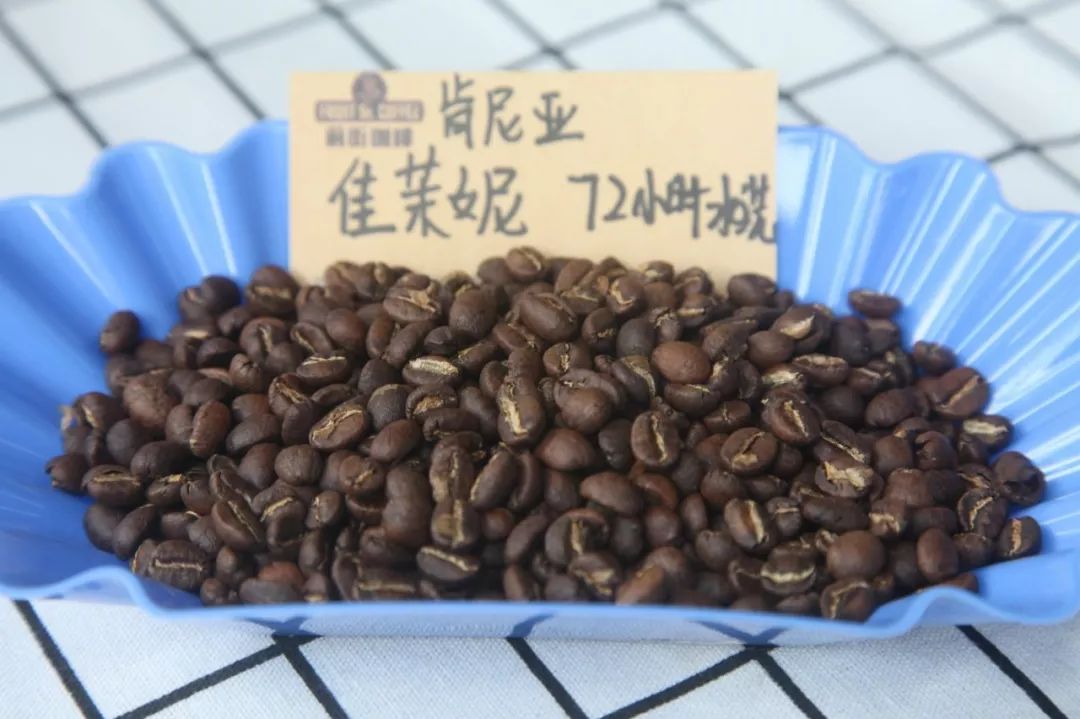
Orange-scented Kenyan Coffee [Kenya Jiamoni] story baking analysis and cooking suggestions
Professional coffee knowledge exchange more coffee bean information please follow the coffee workshop (Wechat official account cafe_style) [Kenya Jiamoni exquisite 72-hour washing] country: Kenya region: Kilinaga Kirinyaga altitude: 1700-1800m soil: volcanic soil species: sl-28,sl-34 treatment: 72 hours washing 01 | the processing plant introduces Kiangombe workers.

Introduction of high altitude Guatemalan coffee bean flavor manor area
Volcanic soil, high altitude, humid and rainy climate, and active volcanic activity have created the unique geographical conditions of the Farahan Plateau. The Pacaya volcano in the region is the most active of the three still erupting volcanoes in Guatemala, leaving the Farahan Plateau often shrouded in a thin layer of dust and providing plenty of minerals for the soil of the Farahan Plateau. When the coffee beans are dried

Common coffee varieties Daquan Coffee comes from Iron pickup Coffee beans
Coffee varieties detail Acai: a rare Mundo Novo mutation found mainly in Brazil. Anacafe 14: a spontaneous Catimor-Pacamara hybrid further developed and released by Anacafe in 2014. This variety is considered to be rust-proof and produces high cup quality. Anton sari (Andong Sari): popular from Colombia to Indonesia

Introduction to the characteristics of fermentation treatment of coffee bean red wine, sun treatment and water washing treatment
Coffee bean treatment introduces that each region has its own climate change, so the coffee beans in each producing area have their own characteristics, but to sum up, the coffee in Guatemala shows a mild and mellow overall texture and an elegant aroma. And with similar fruit acid and other hot and pleasant acidity, it has become the name of the aristocratic New Oriental producing area in coffee, that is, it is located in Guatemala horse.

Introduction to the classification of coffee varieties and the characteristics of coffee variety distribution
Coffee tree is a flowering plant of the genus Coffea of Rubiaceae. At present, there are about 120 species, ranging from small shrubs to 18-meter-tall trees. Wild coffee species grow irregularly in the tropics, and new species are still being discovered. Strictly speaking, there are only two major species of coffee that are cultivated to produce coffee: Arabica coffee (Arabica) and Canifra.
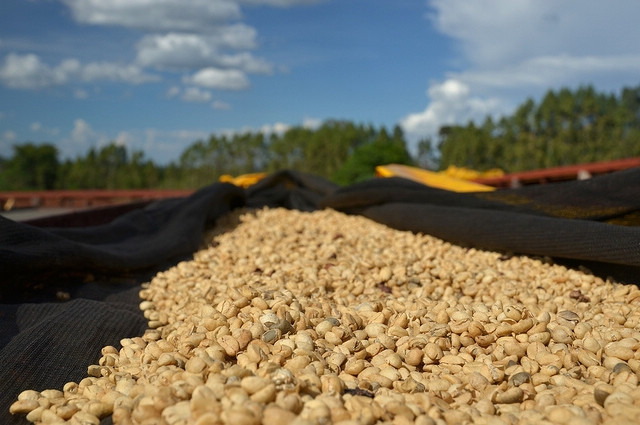
What is Solar treatment? Guava Plain Manor in Guatemala New Oriental region
Sun drying: the sun drying method is also called natural drying because it uses natural sunlight to dry the fruits and raw beans of coffee. Due to the use of artificial and natural treatment methods in the process, the sun-cured beans look irregular and unflattering in appearance. 1. Choose beans: put the harvested fruit in the water tank, and the ripe fruit will sink, while the unripe and overripe fruit

Antigua's Guatemala Coffee Where Is It Grown?
Pay attention to the coffee comment (Weixin Official Accounts vdailycom ) and find a beautiful cafe to open its own small shop. Guatemala Republic (Spanish: Repblica de Guatemala), Taiwan translated as Guatemala, is a country in Central America, located in the south of North America. It is bordered by the Pacific Ocean to the west, the Caribbean Sea to the east, Mexico to the north, Belize to the northeast and Belize to the east.

Introduction to the characteristics of Coffee Coffee
Ren Mo (Jember, or S795), which is a relative Typica variety brought to Indonesia via India. Jember originated in Ethiopia. It may have been developed before leaving for India and finally Indonesia in Yemen. The so-called variety is commonly referred to by Indonesian farmers as Jember, because this is their distribution of Jember coffee in Indonesia's second largest city, located in Surabaya, East Java, a member of the research center.

Full-bodied taste of the seven major coffee bean producing areas in Kenya AA characteristics graded treatment manor introduction
Generally speaking, due to the cold climate and slow growth rate of coffee in alpine areas, the density of raw beans is higher and the texture is harder, and the more mellow and aromatic the coffee is, and it has a supple sour taste; on the contrary, the density of raw beans is smaller and the texture is less hard. the quality of coffee is poor, so some people grade it by hardness. This classification method can be divided into the following categories: very hard beans, height about 4500

Guatemala coffee bean species planting status grading grade taste flavor description of the story characteristics of the producing area
Following Cafe (official Wechat account vdailycom) found that the Beautiful Cafe opened its own shop in the Republic of Guatemala (Spanish: Repblica de Guatemala), translated from Taiwan as Guatemala, a country in Central America located in the south of the North American continent. It borders the Pacific Ocean to the west, the Caribbean Sea to the east, Mexico to the north, Belize to the northeast, and east to the east.

Coffee tasting Guide | how to distinguish the flavor difference between washed coffee beans and sun-cured coffee beans?
Professional coffee knowledge exchange more coffee bean information Please pay attention to coffee factory (Wechat official account cafe_style) Coffee beans two different raw bean treatment methods after harvest the coffee beans must immediately enter the processing process, otherwise they will begin to ferment, making the coffee beans have a bad smell. There are two methods of treatment: solarization and water washing, which will cause different flavors. Insolation

Introduction of all kinds of coffee beans in the world
Maragogipe (Maragogype) Nicaragua (Maragogype): lemon (lemon), cinnamon (cinnamon), cola (cola), floral (floral), citrus (citrus), melon (melon) Guatemala (Maragogype): strawberry (strawberry), toast (toasted bread), vanilla (vanilla), raisin (raisin), floral (floral), plum (

Coffee lovers must know some common sense about the origin, tree species and name of coffee.
The exchange of professional baristas Please pay attention to the coffee workshop (Wechat official account cafe_style) many coffee lovers have their own opinions on which latte tastes good and the flowers look good, but when it comes to individual coffee, they have no choice but to stare at Kenya, Yega Xuefei and Rosa. When it comes to whether they are from the same kind of coffee tree, and what is the relationship between the origin and the tree species, it is even more confusing. Old

Coffee bean varieties coffee bean varieties classified coffee varieties
Professional coffee knowledge exchange more coffee bean information please follow the coffee workshop (Wechat official account cafe_style) in the global coffee, Arabica species account for about 70% of the total output, has important commercial value. Arabica species spread to all parts of the world from the Arabian Peninsula, and subspecies such as Tibica species and slope species appeared according to the route of transmission, followed by mutation and crossing.

Introduction to the differences between African beans and American coffee beans
The difference between African beans and American coffee beans Guatemala is a coffee producing area that can not be ignored and is a typical representative of coffee flavor diversity. SHB (hardest bean) in Guatemala is almost a well-known synonym for high-quality coffee. This is because there are more than 300 kinds of microclimate, high mountains, Pacific Ocean, Atlantic Ocean, huge volcanic lakes, Mexican plains and abundant.
Kenya AA Coffee Variety Features Kenya coffee beans Hand brewed Flavor Taste Description
Pay attention to coffee reviews (Weixin Official Accounts vdailycom) and find a good coffee shop. Coffee industry insiders all think Kenyan coffee is one of their favorite products, because Kenyan coffee contains every feeling we want from a good cup of coffee. It has wonderful,

Characteristic acidity classification taste story of Latin American coffee beans
The acidity classification and taste of Latin American coffee beans are the origin of coffee cultivation in Latin America. Because France was under the Bourbon dynasty at that time, Arabica coffee grown in Latin America had another name that is now famous in the coffee industry. Bourbon is now an important branch of coffee in Arabica. The overall style of coffee in Latin America

Taste characteristics of Salvadoran coffee varieties
Professional coffee knowledge exchange more coffee bean information please follow the coffee workshop (Wechat official account cafe_style) front street-Salvadoran coffee varieties introduction first cultivated by Salvadoran researchers in 1958. Pacamara is a rare excellent variety under artificial breeding, which is better than blue, and perfectly inherits the advantages of the mother plant. It not only has the excellent taste of Pacas species, but also has a good taste.

Coffee bean varieties Daquan ancient coffee varieties iron pickup and bourbon derived coffee varieties
With the development of boutique coffee industry, more and more varieties of coffee have been developed. Many coffee varieties are inseparable from the two oldest coffee varieties, bourbon and iron pickup. This time Qianjie will talk about the famous varieties bred by bourbon and tin pickup, and see what advantages and flavors each variety has. Typica Tibica Typica is Elaraby

Which beans should be recommended by China Coffee Network? Guava Plain, the New Oriental region of Guatemala
Here in Guatemala, the extra-hard coffee beans are full-grained, delicious and balanced, and the coffee made with them is pure and rich. Guatemala coffee once enjoyed a reputation as the best quality coffee in the world, but its quality also declined for a time. What is gratifying, however, is that its reputation is gradually being restored. In 1750, Father Jesuit introduced coffee trees to Guatemala.